2026年6月29日から7月3日にかけて、ブリュッセルにて1週間のワークショップが行われました。早稲田大学小林研究室・田中研究室から17名、ブリュッセル自由大学(ULB)から約6名が参加し、ULBのGeoffrey Grulois教授を中心に開催されました。
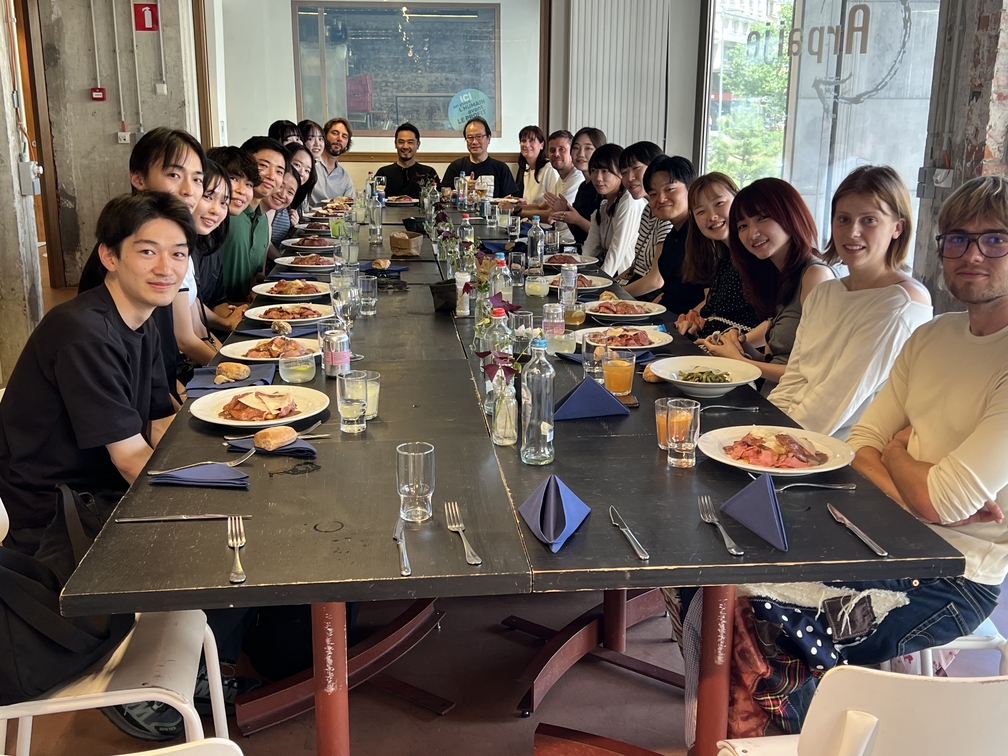
初日はULBにて歓迎会と交流セミナーが行われ、学生同士が研究テーマをもとに混合グループをつくり、建築のrenovation・traditional architecture ・small industryなどのテーマについて議論しました。
また、ULBのGeoffrey Grulois教授から、ブリュッセルの都市計画と現在ベルギーで起こっている社会問題の説明や、都市のトランジションは制度の改良ではなく住民による具体的な実践の積み重ねから生まれるという「プレフィギュラティブ・プラクティス」などの考え方についてレクチャーがありました。
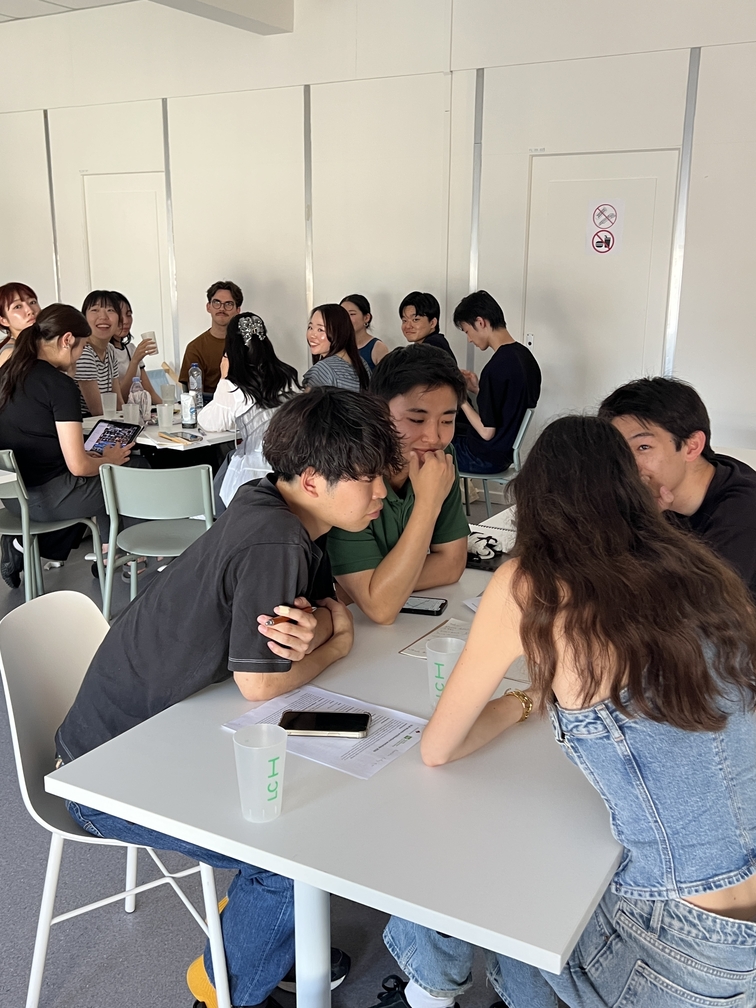
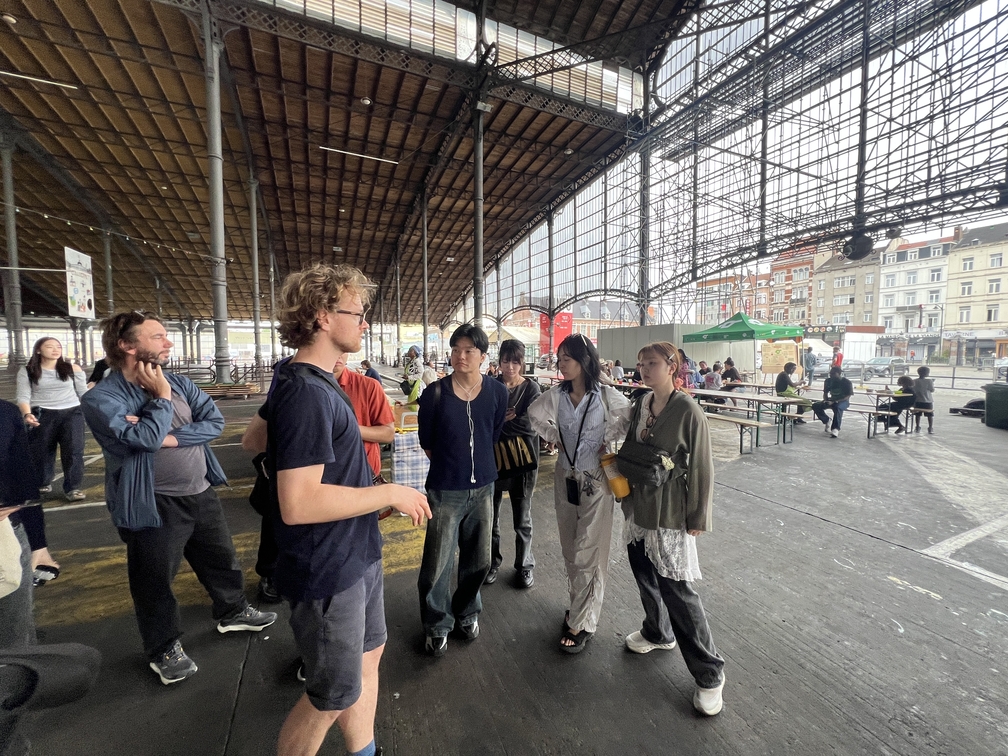
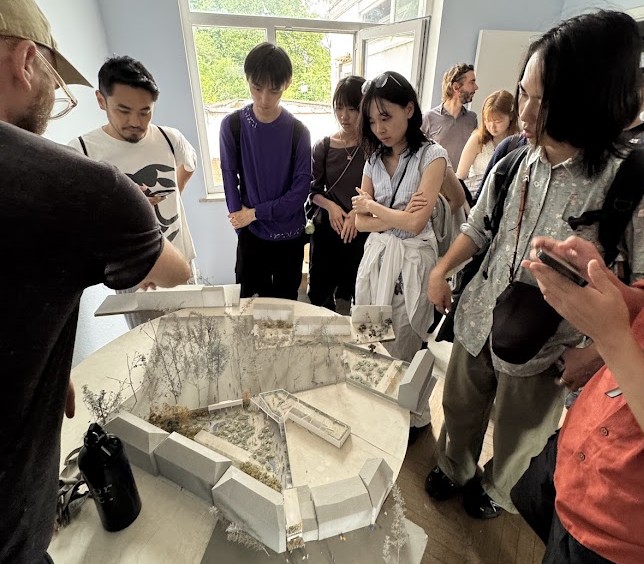
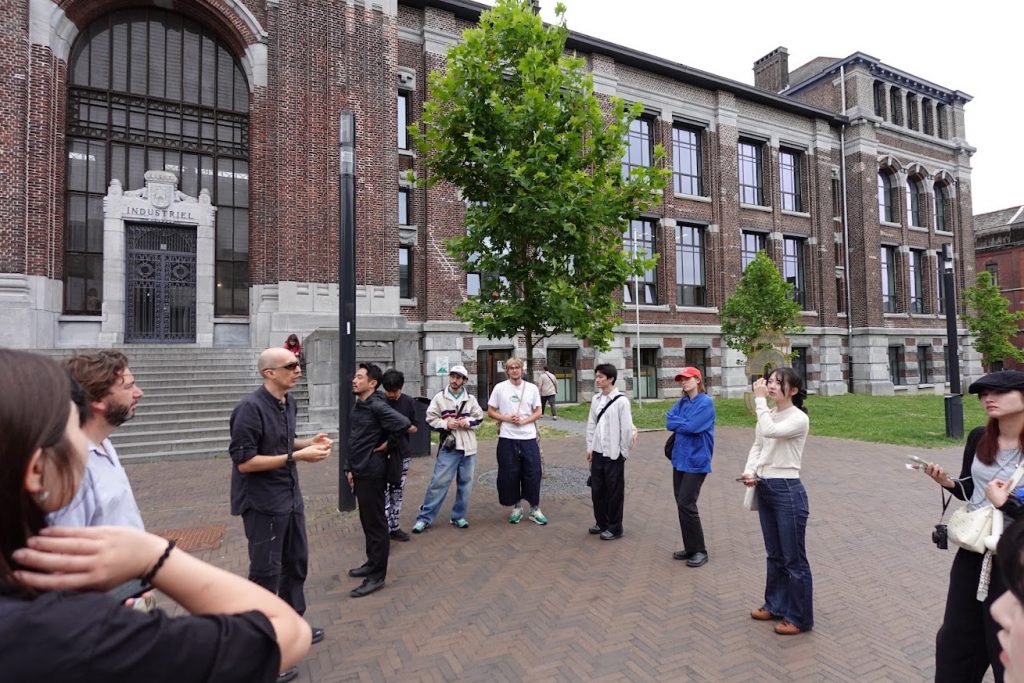
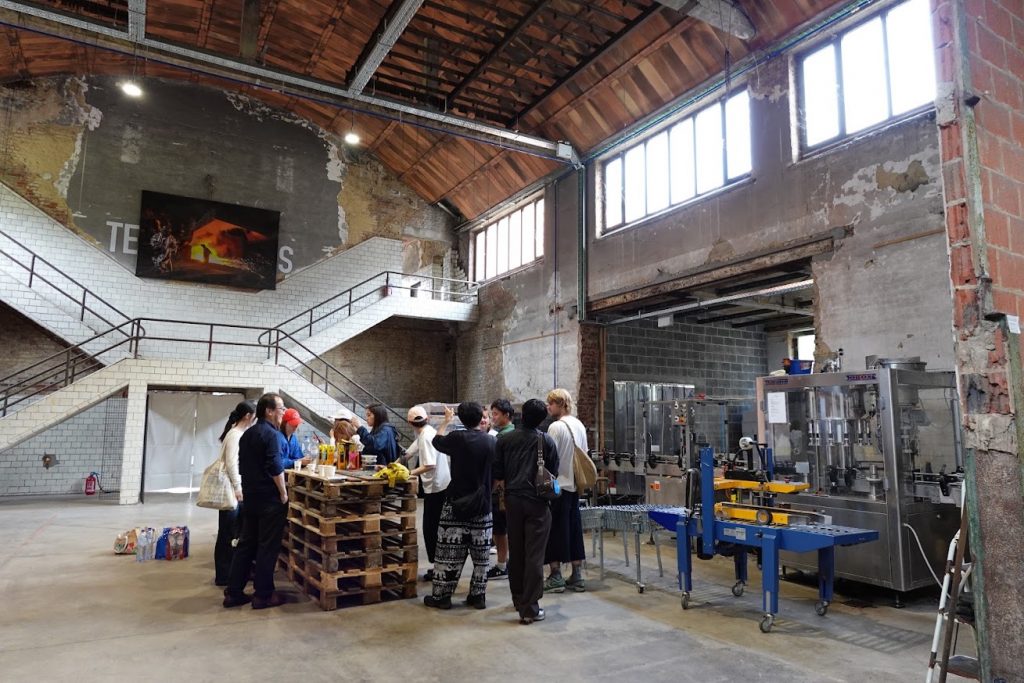
2日目は運河周辺での都市フィールドワークを行いました。モレンベークとアンデルレヒトという、ブリュッセルの中でも比較的貧しいとされる2つのエリアに分かれ、脱工業化にともなう都市変容や、暫定的な使われ方から新しい用途へと転換されていく建築の現場を、実際に運営や設営に携わる方々からの詳しい説明を聞きながら、視察しました。
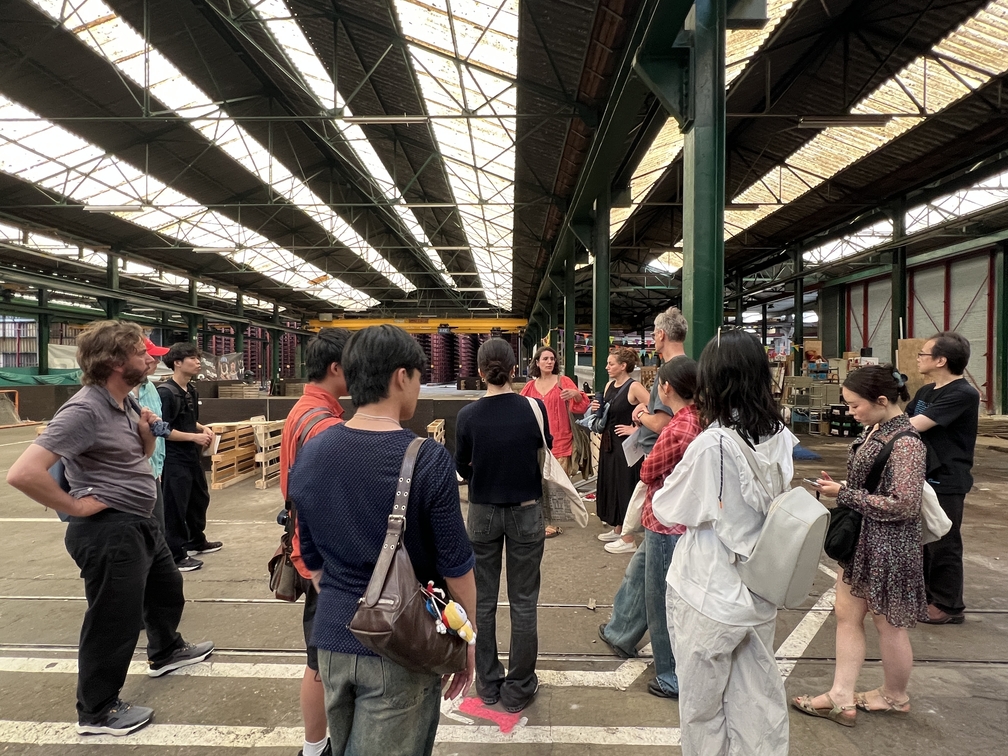
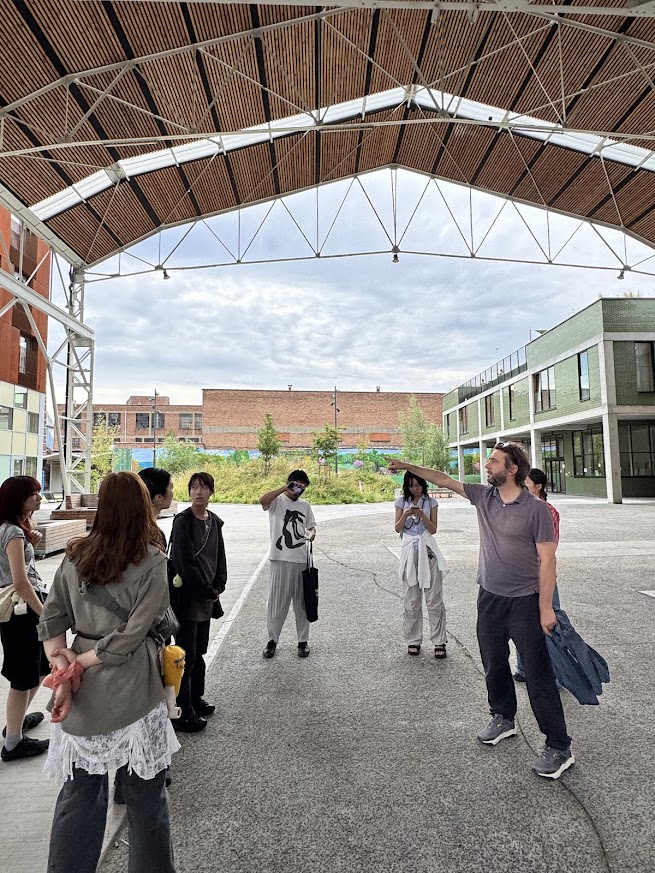
3日目からの2日間は、学生が2グループに分かれて活動しました。
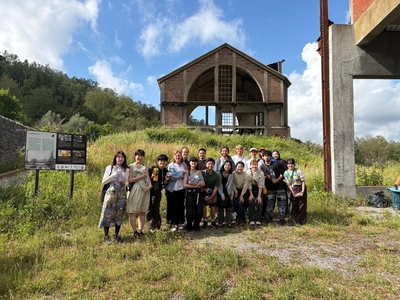
一方は「Rotor DC The nonprofit」などの建築資材の材料リサイクルセンターのケーススタディなどを訪ねたのち、ブリュッセルより南にあるシャルルロワという都市へ移動し、旧鉱滓集積地にて地域住民とハイキングなどを通したフィールドワークを行いました。
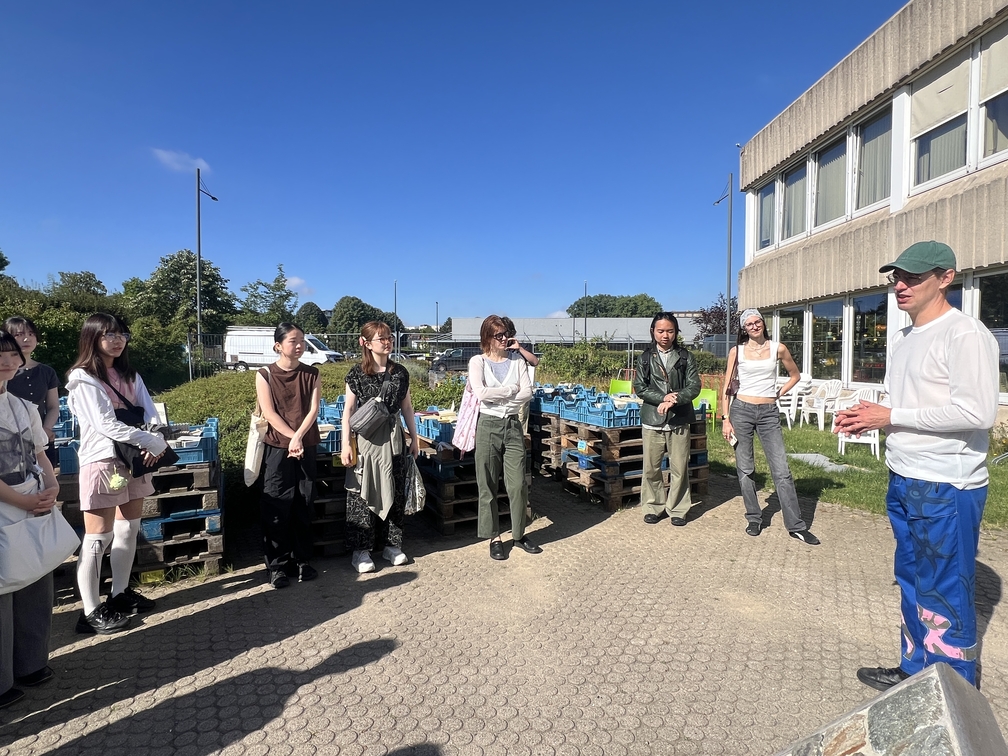
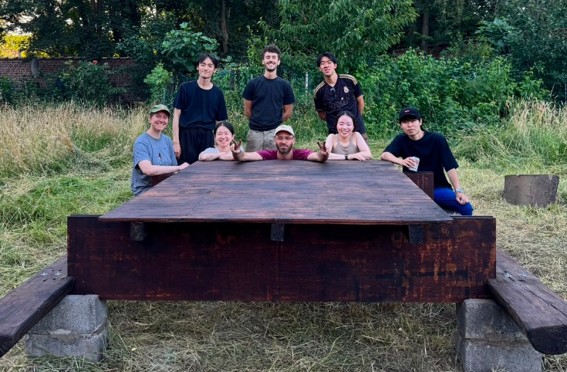
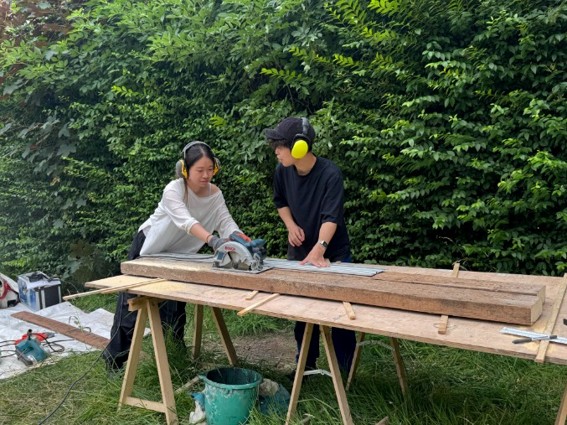
もう一方は、建築集団「Alter」が主催する施工ワークショップに参加し、現地の材料を使って公園と住宅地を繋ぐ中庭にピクニックベンチやテーブルをつくる、実際に手を動かす2日間を過ごしました。
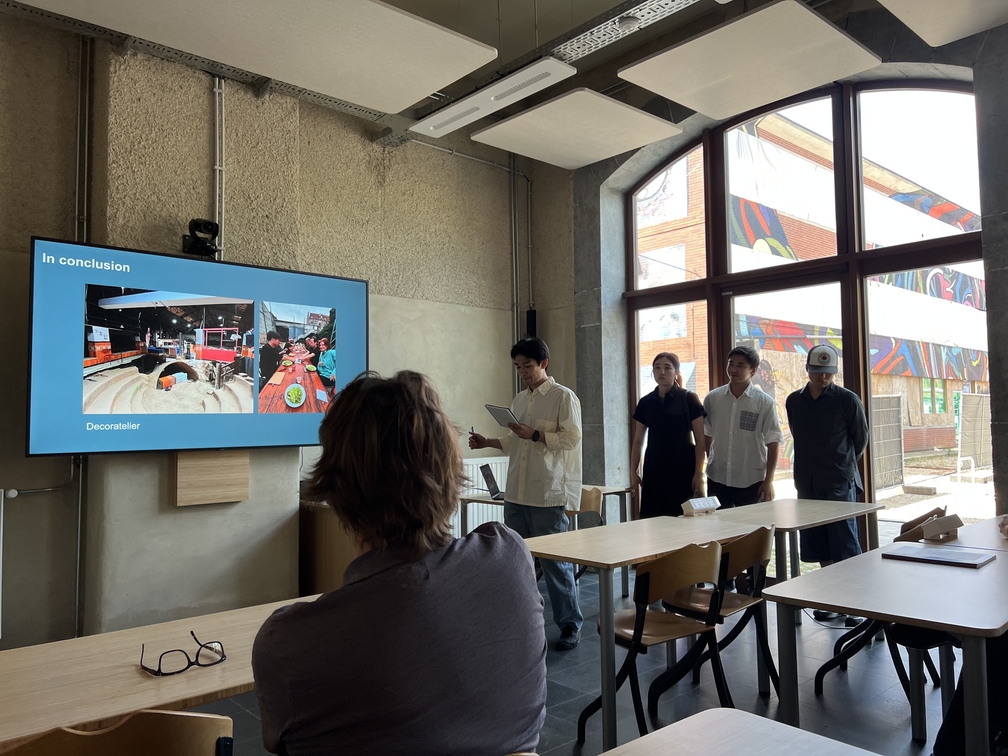
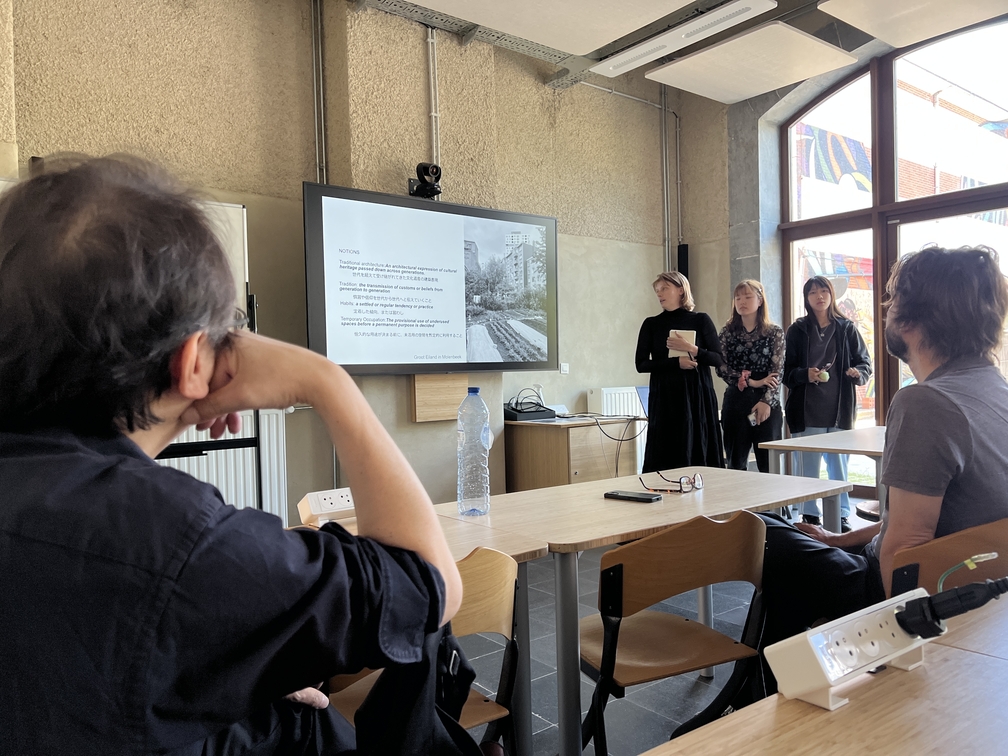
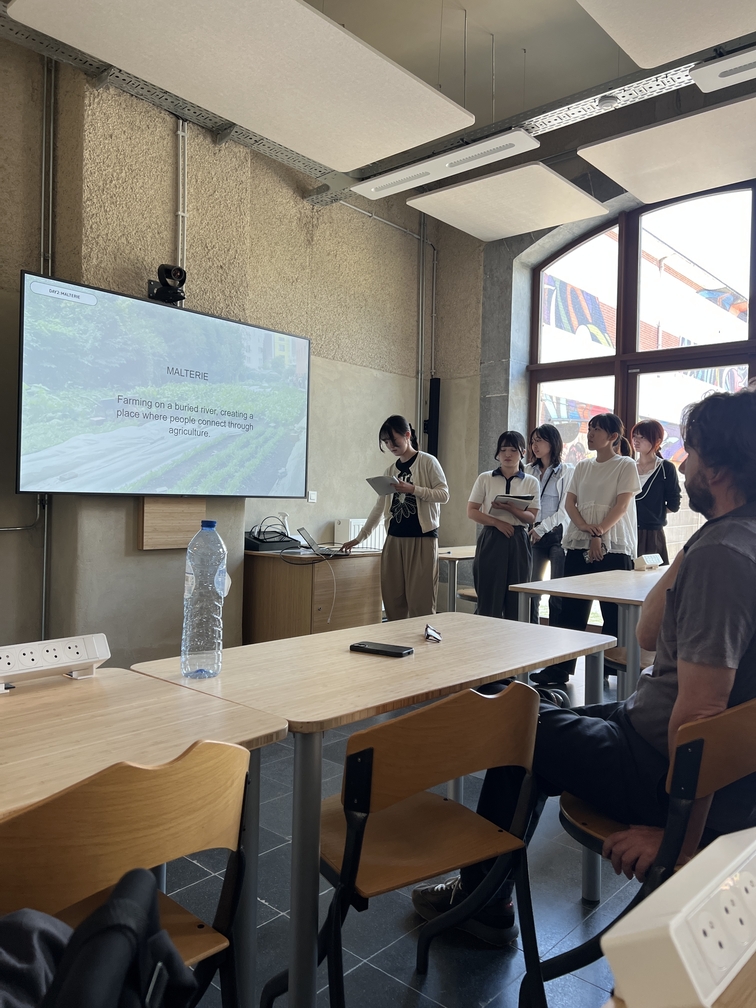
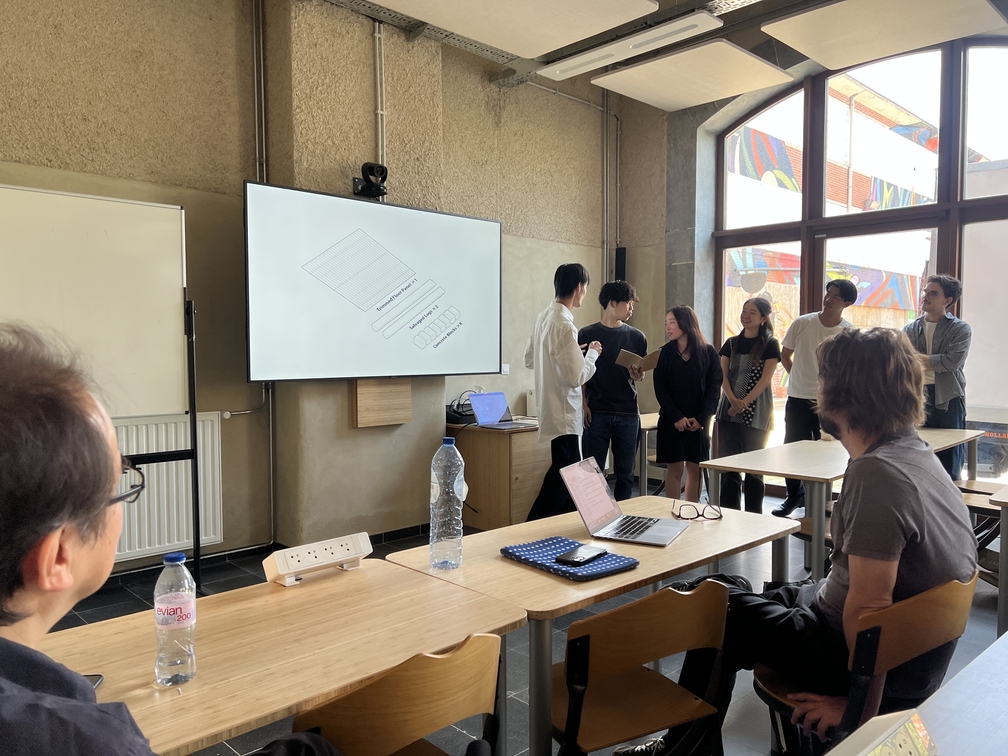
最終日は、Usquareにて最終プレゼンテーションが開かれました。小林恵吾准教授、田中智之教授による小講義ののち、最終発表では、リノベーション、小規模産業、伝統的手法、アルター・ワークショップという4つのテーマで学生からこの1週間の学びが共有され、5日間のワークショップを締めくくりました。
理論と現地でのフィールドワーク、そして実際の施工体験を行き来したこの1週間は、建築を「つくって終わり」にせず、その後の使われ方や住民との関わりまで考える視点の大切さを学ぶ機会となりました。
また、まち歩きや個人での建築見学、食事などの体験も含めて、日本とベルギーの共通点や相違点を肌で感じる機会にもなりました。
今回得られた知見は、今後の研究や設計実践への大きな足掛かりとなるはずです。
From June 29 to July 3, 2026, a one-week workshop was held in Brussels, Belgium. A total of 17 students from the Kobayashi Laboratory and the Tanaka Laboratory at Waseda University participated, together with approximately six students from the Université libre de Bruxelles (ULB). The workshop was organized under the leadership of Professor Geoffrey Grulois of ULB.
On the first day, a welcome reception and seminar were held at ULB. Students formed mixed groups based on their research interests and discussed topics such as architectural renovation, traditional building practices, and small-scale industries. A lecture also introduced the urban planning strategies of Brussels and the social issues currently facing Belgium. In addition, participants learned about the concept of prefigurative practice, which argues that urban transition is driven not only by institutional reforms but also by the accumulation of concrete actions initiated by local communities.
On the second day, participants conducted an urban field study along the Brussels Canal. They were divided into two groups and explored the districts of Molenbeek and Anderlecht, both of which are relatively disadvantaged areas within Brussels. The fieldwork focused on the urban transformation resulting from deindustrialization and on projects where buildings with temporary uses have been adapted for new purposes through adaptive reuse.
During the following two days, the students worked in two separate groups. One group visited several case studies, including Rotor DC and other organizations promoting the reuse of construction materials, before traveling to the city of Charleroi. There, they carried out fieldwork with local residents at a former mining waste site, exploring issues of post-industrial regeneration and community participation.
The other group participated in a hands-on construction workshop organized by the architectural collective Alter. Using locally available materials, they designed and built benches and tables for a public park, gaining practical experience through collaborative construction.
On the final day, the workshop concluded with presentations at Usquare. Following presentations by Associate Professor Keigo Kobayashi and Professor Tomoyuki Tanaka, the students shared what they had learned over the week through four themes: renovation, small-scale industries, traditional building practices, and the Alter workshop. In the afternoon, participants visited Usquare and the Solbosch Campus to observe their maintenance and management strategies.
Throughout the week, participants moved between theoretical discussions, urban fieldwork, and hands-on construction experiences. This combination provided an opportunity to recognize that architecture should not be understood simply as the act of constructing buildings, but also as an ongoing process shaped by the ways spaces are used and by relationships with local communities. The knowledge gained through this workshop will serve as a valuable foundation for future research and architectural practice.