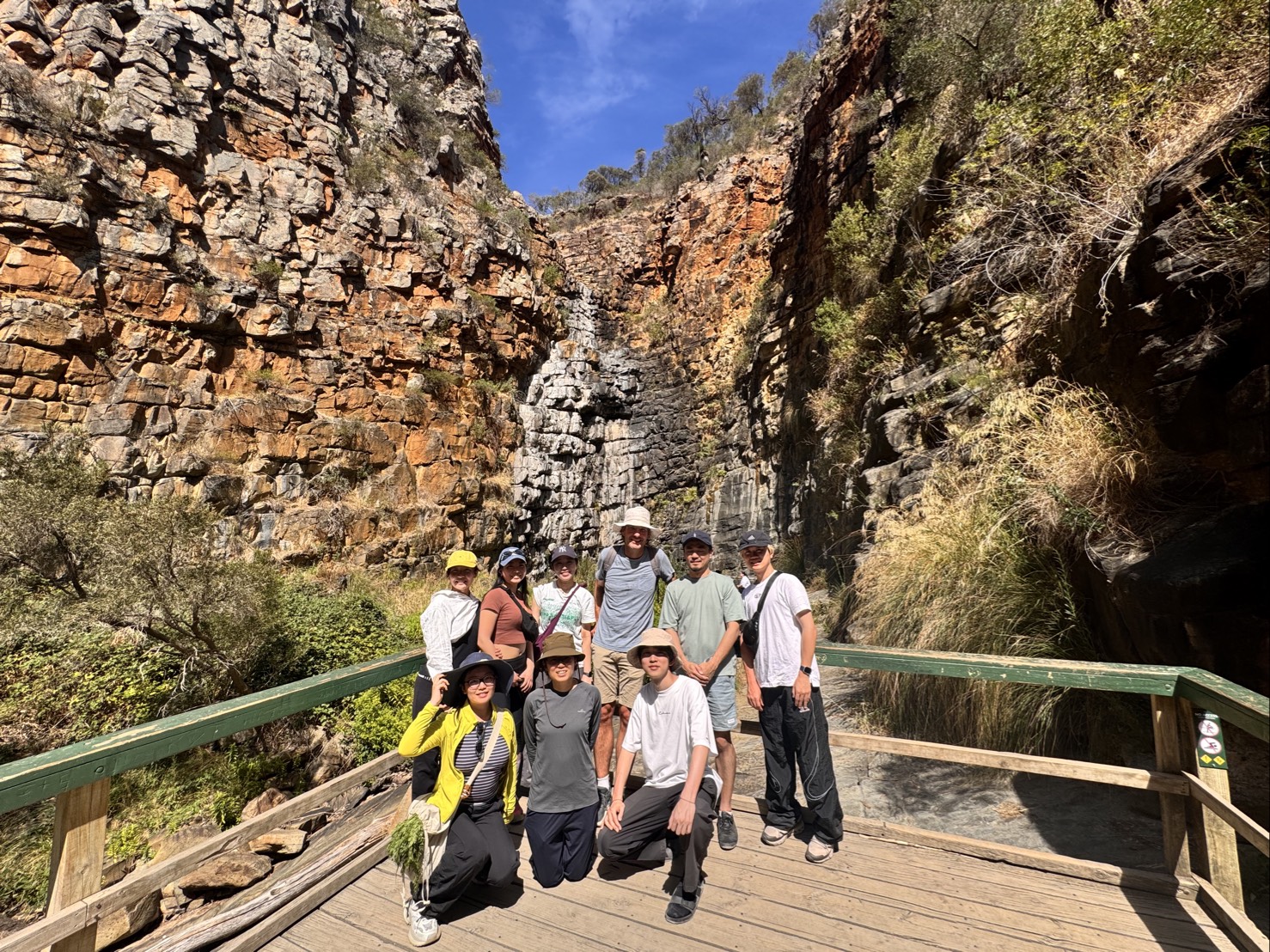
2026年3月12日から20日にかけて、オーストラリア・アデレードにて国際ワークショップに参加した。本ワークショップでは、商業と住宅が分離しているアデレードの都市構造に着目し、敷地調査を通じてその実態を把握するとともに、新たな提案を行うことをテーマとした。敷地調査では複数のエリアを対象に、商住分離の現状に加え、住宅のタイプごとの事例収集、商業と住宅が一体的に機能しているエリアの事例についても調査を行った。これらの調査をもとに提案をまとめ、アデレード大学のDavid Kroll教授およびMirai Morita教授によるエスキスを経て、最終発表を行った。
【2026.03.14 1st Survey Bowden, North Adelaide】
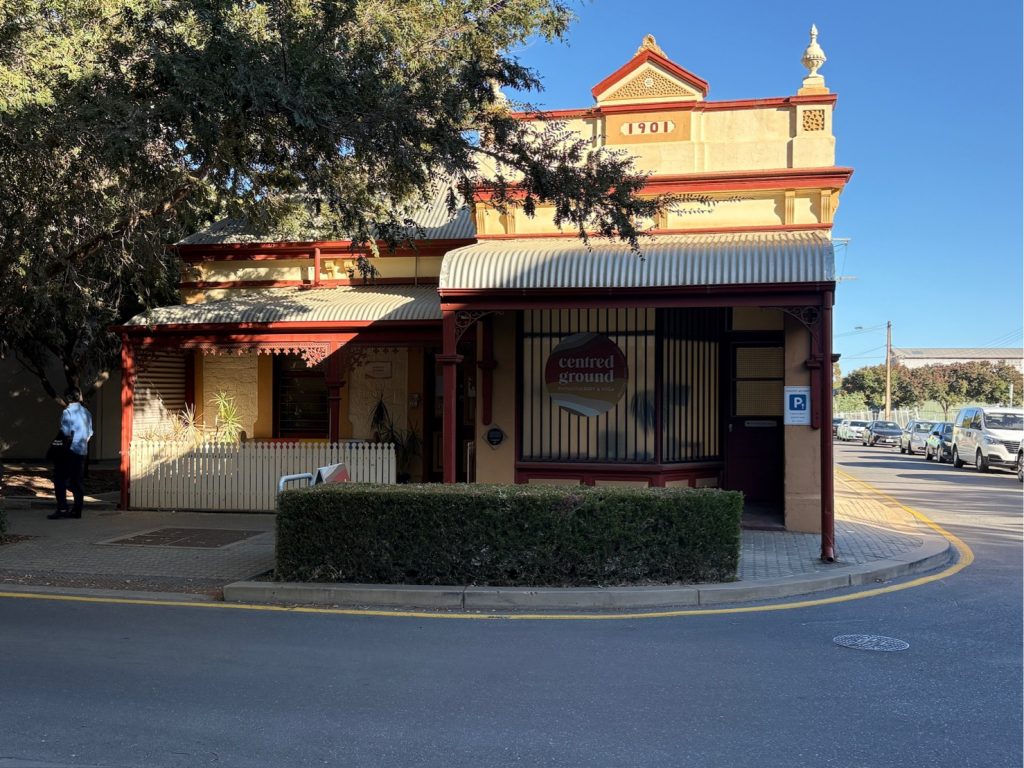
最初の敷地調査では、BowdenとNorth Adelaideへ行った。Bowdenでは、かつて街路の角に小さな店舗が点在し、人々が街中を歩きながら買い物をする風景が見られた。しかし、都市部における商業施設の発展や自動車利用の増加に伴い、こうしたコーナーショップは次第に利用されなくなっている。その結果、現在では住宅が並ぶのみの単調な街並みへと変化しつつある状況が観察された。
【 2026.03.16 Midterm Presentation・2nd Survey Tonsley Innovation District】
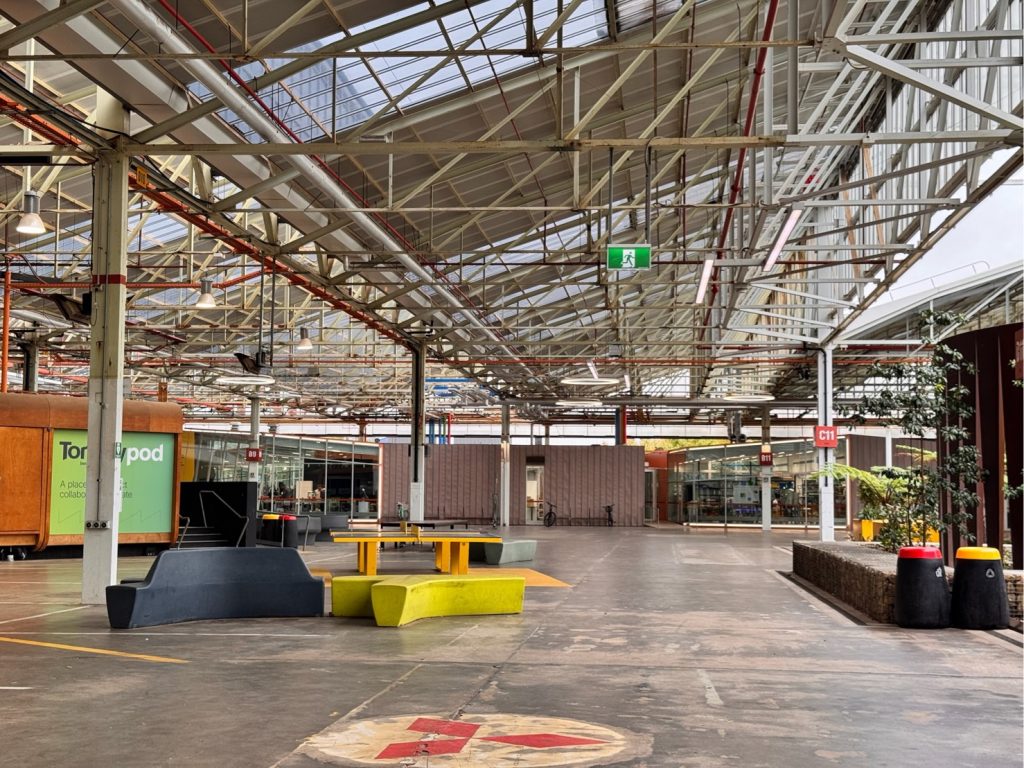
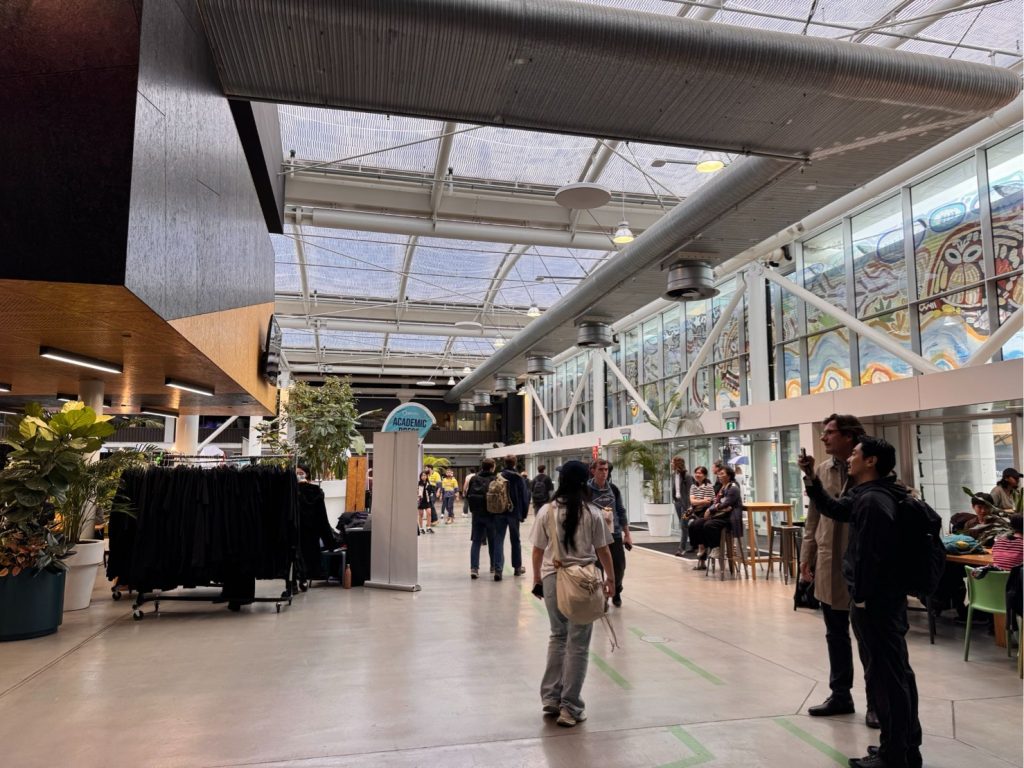
中間発表では、David教授およびMirai教授によるエスキスを受け、それぞれの調査から見出した関心点や、今後さらに掘り下げていきたい課題について共有を行った。その後、リノベーションによって再生されたイノベーション拠点であるTonsley Innovation Districtを訪問し、イノベーション創出を目的とした建築プロジェクトの見学を行った。
【2026.03.17 3rd Survey Port Adelaide】
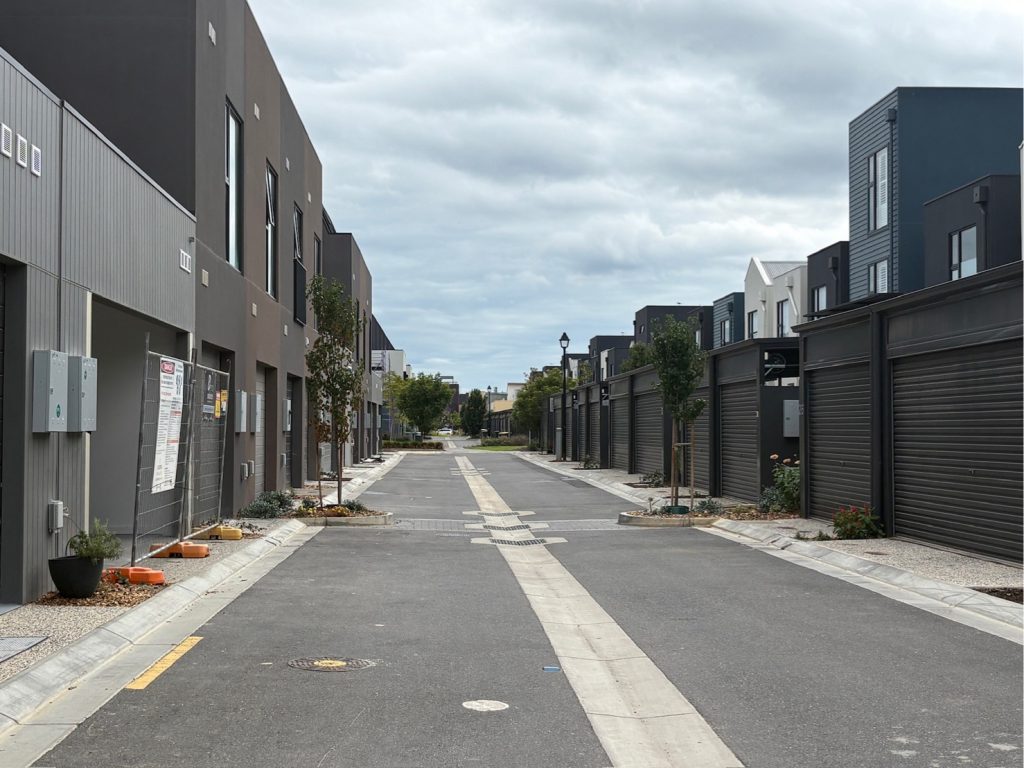
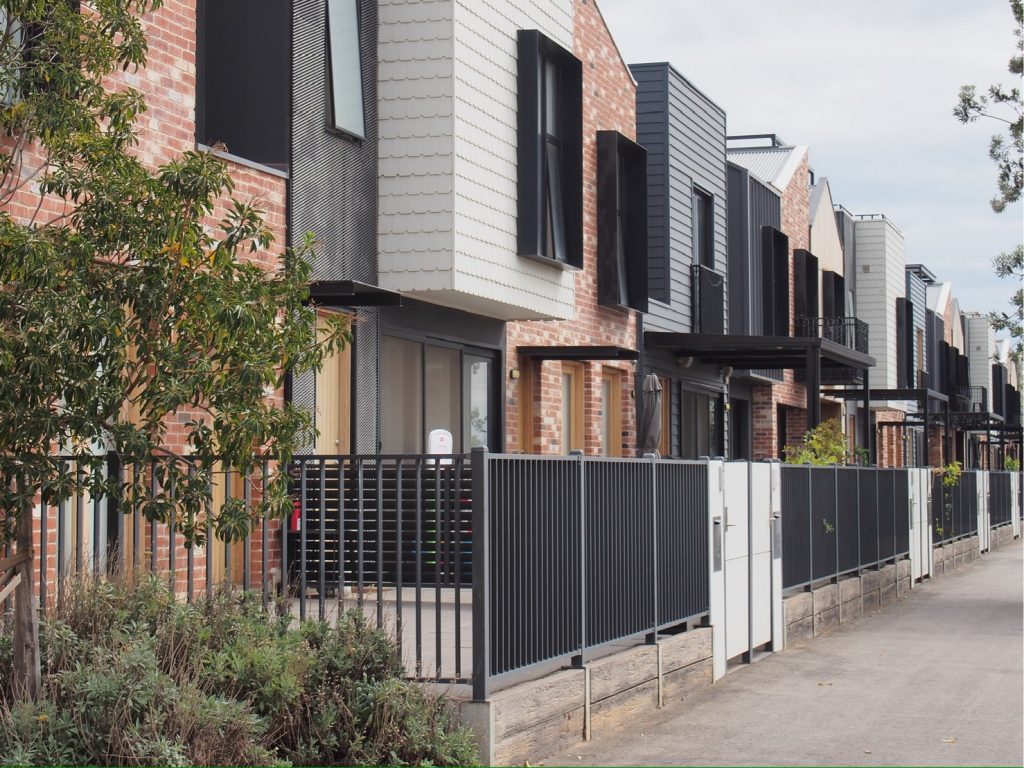
3日目は、Port AdelaideおよびNorwoodにて調査を行った。Port Adelaideは港町に位置する倉庫街であり、現在も使用されているものから廃墟となっているものまで、多くの倉庫が残存している点が特徴的である。また、近年では新たな住宅開発が進められており、ガレージとテラスを備えた新興住宅地の形成過程についてもあわせて調査を行った。
【2026.03.18 4th Survey Goodwood, Norwood】
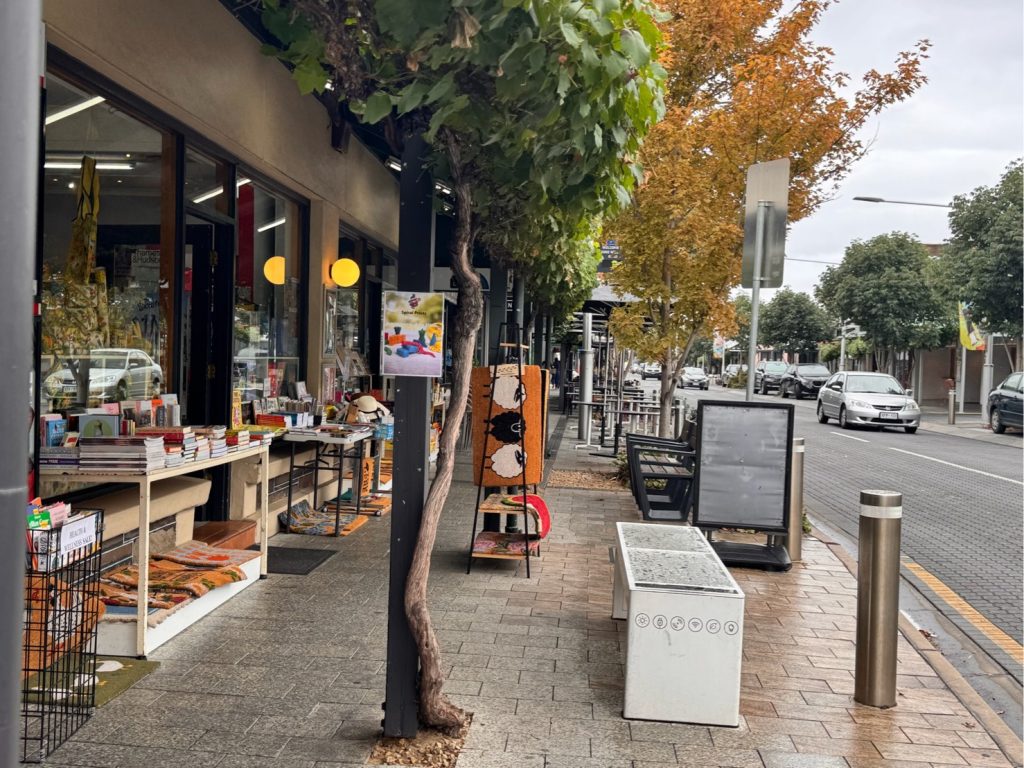
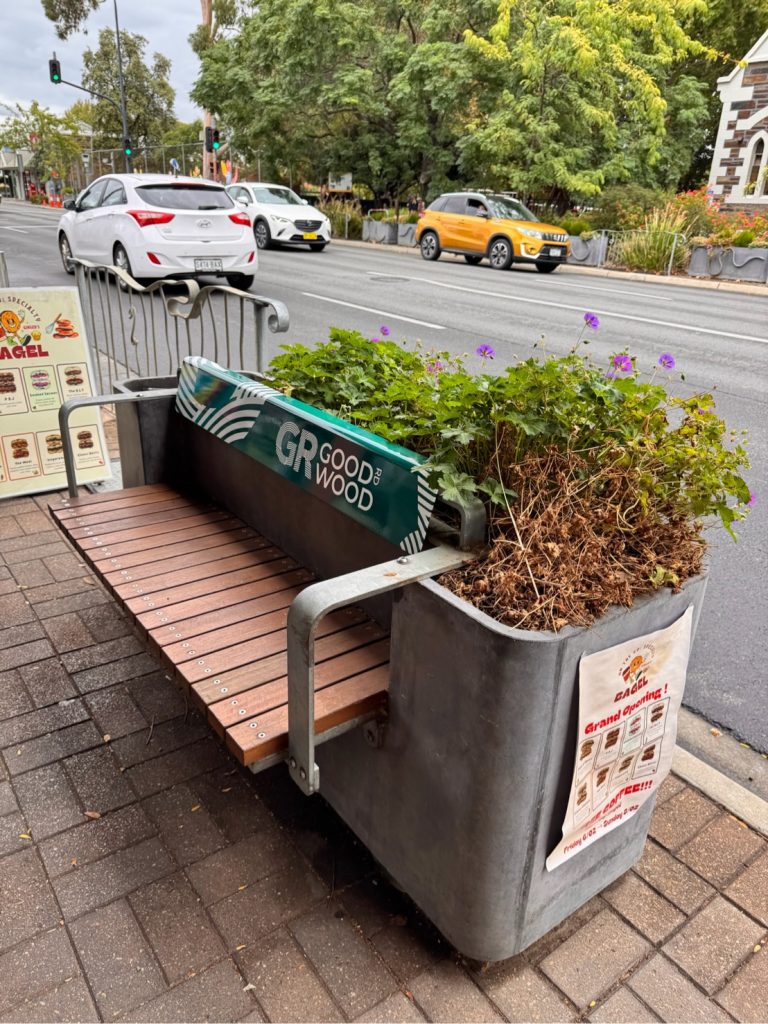
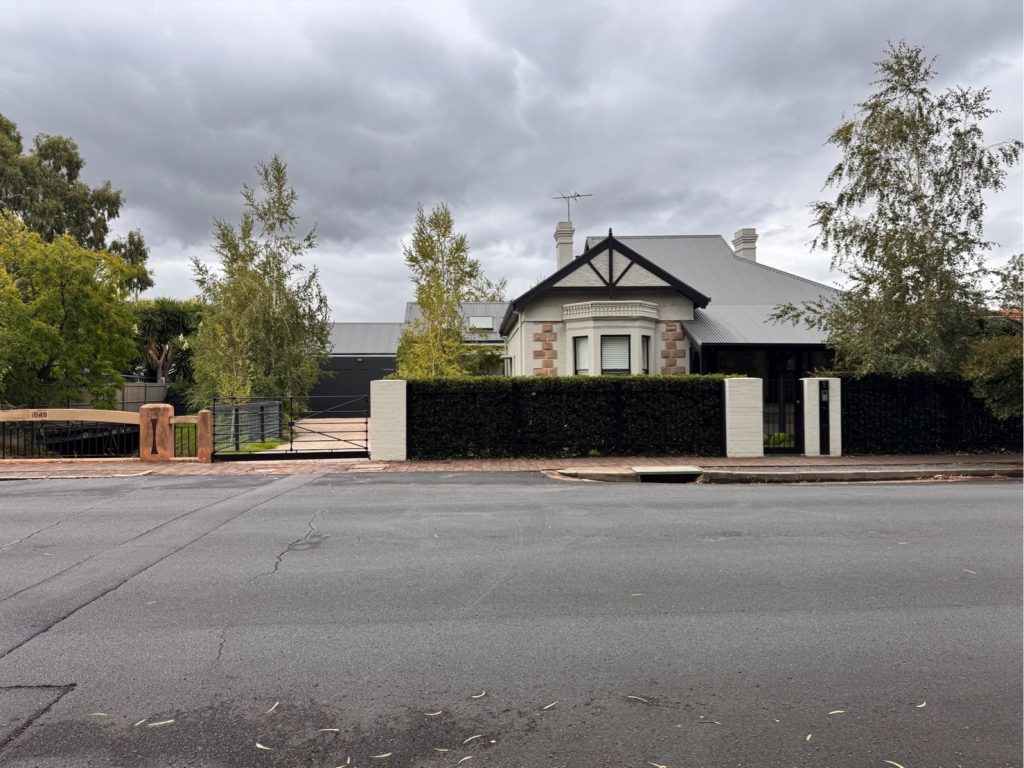
4日目の調査地であるGoodwood、 Norwoodともに、大通り沿いに商業エリアが形成される。商業エリアでは、ストリートファーニチャーのベンチやテラス付きのカフェなどが見られ、比較的オープンに公共空間を活用している様子が確認された。また、 Norwoodでは、商業ストリートの周囲を閑静な住宅街が取り囲む地域である。一方で、住宅街では、通りに面して高い塀を設け、家の裏側に広い庭を持つ住宅が多く見られ、外部に対して閉じたクローズドな空間構成になっていることが観察された。
【2026.03.19 5th Survey Glenelg】
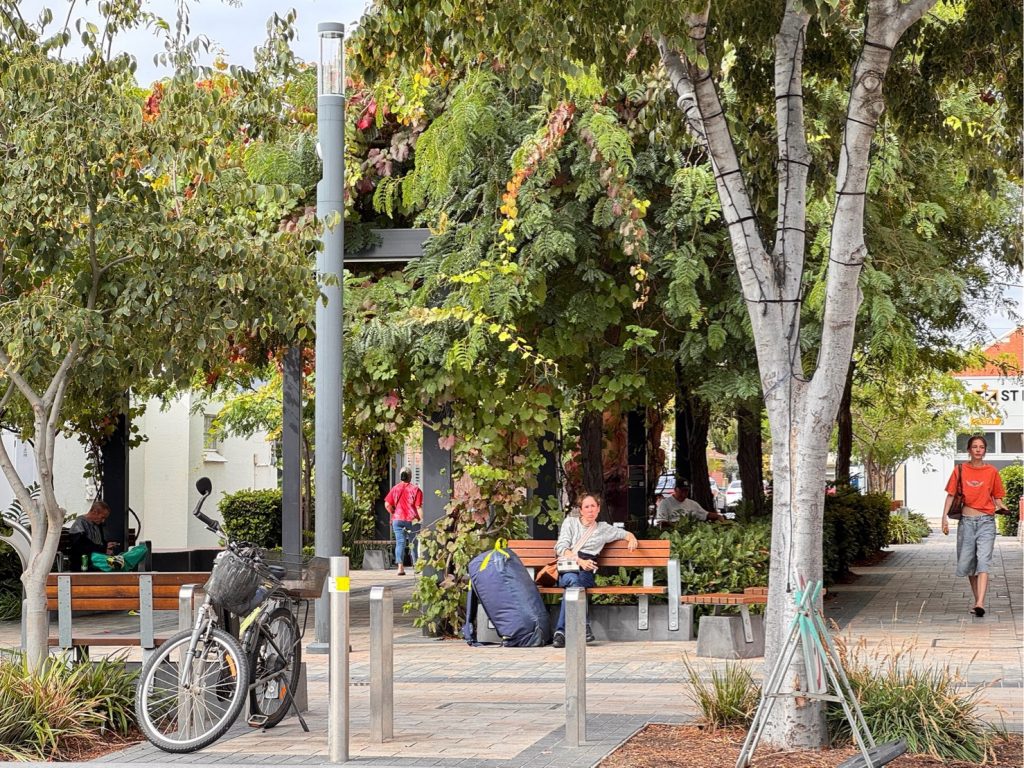
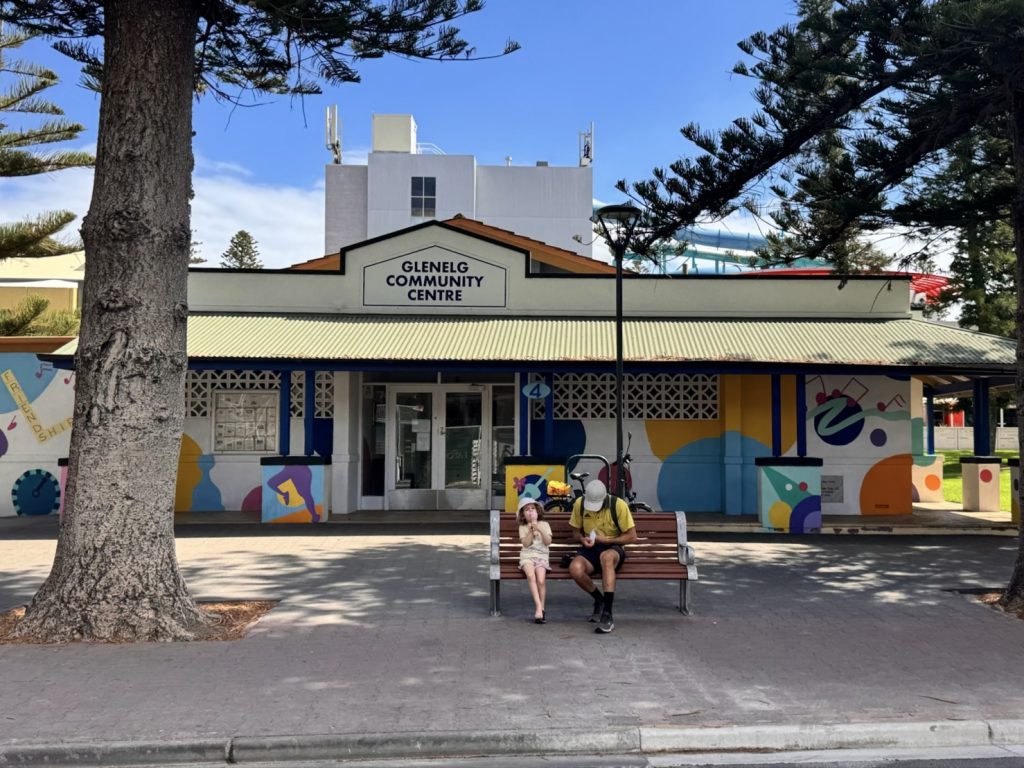
最終調査地であるGlenelgは市内から南西の位置にあるGlenelgというビーチタウンである。近年5年間でリゾート地としての都市計画が進行され、メインストリートはショップが並ぶ商業通りであり、小道も共有公共空間として利用されるなど、活発な都市風景が観察された。
【2026.03.20 Final presentation】
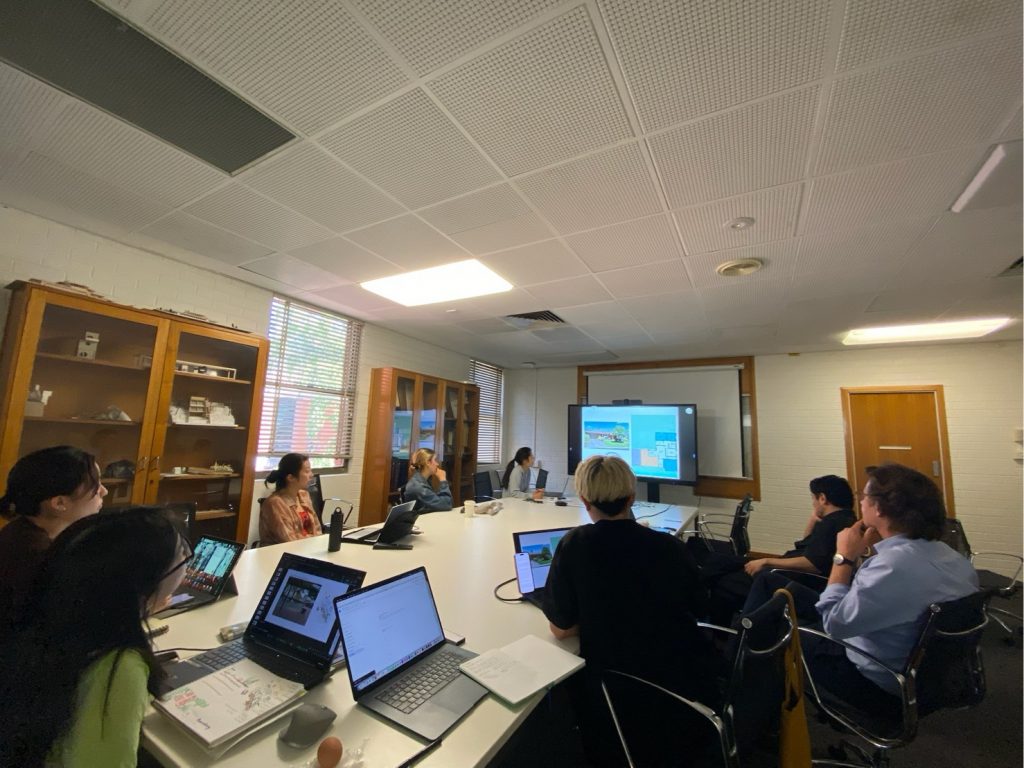
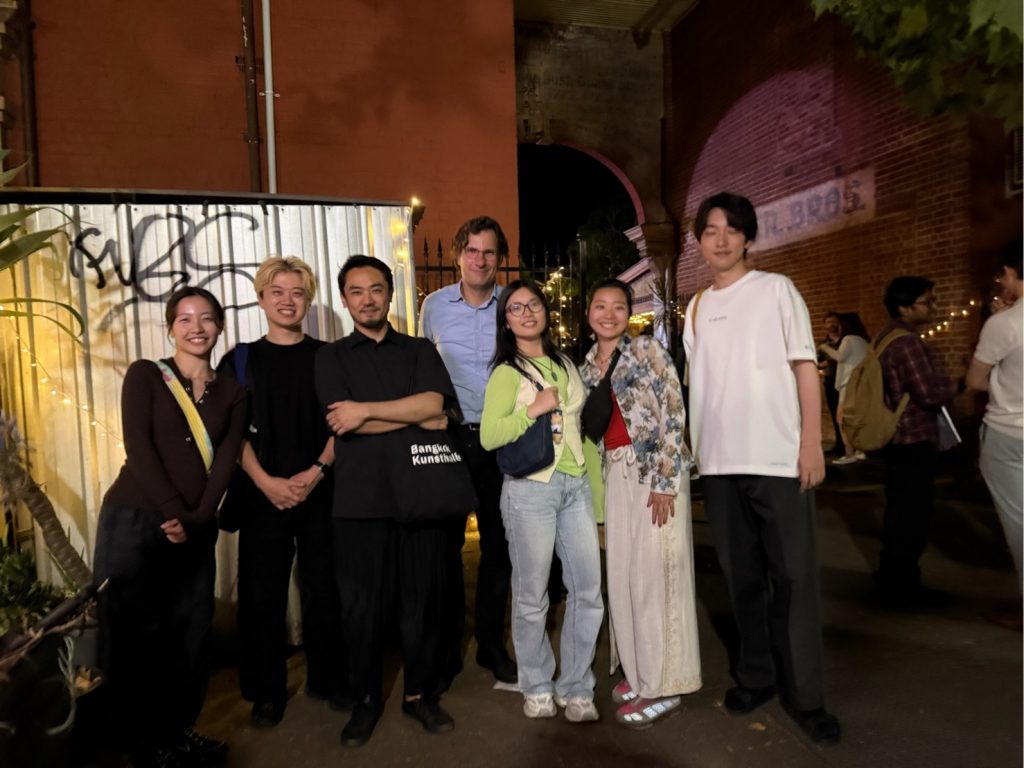
最終発表では、6名のメンバーがそれぞれ独自のテーマに基づき発表を行った。テーマは、①キャノピーの調査、②ストリートファニチャーの調査、③公共物の複層関係、④住宅様式の変化、⑤都市内の領域性、⑥建築物へのアタッチメントである。各発表では、敷地調査を通じて得られた新たな視点や発見が共有され、本ワークショップの成果として提示された。
今回のワークショップは都市調査を主軸とし、アデレードの都市構造や特徴を理解する機会となった。今後ともアデレードとの定期的な交流を続け、より計画性の高い提案のが行われるワークショップへと発展していくことを期待する。
From March 12 to 20, 2026, I participated in an international workshop in Adelaide, Australia. The workshop focused on Adelaide’s urban structure, which features a separation of commercial and residential areas. The theme was to understand the actual conditions through site surveys and to develop new proposals. The site surveys covered multiple areas, examining not only the current state of commercial-residential separation but also collecting case studies of different residential types and investigating areas where commercial and residential functions are integrated. Based on these findings, we compiled our proposals, which were refined through sketches led by Professor David Kroll and Professor Mirai Morita of the University of Adelaide, before presenting our final results.
For the first site survey, we visited Bowden and North Adelaide. In Bowden, small shops once dotted the street corners, creating a scene where people would stroll through the streets while shopping. However, with the development of commercial facilities in urban areas and the increase in automobile use, these corner shops have gradually fallen out of use. As a result, we observed that the streetscape is currently transforming into a monotonous landscape consisting solely of rows of residential buildings.
【 March 16, 2026 Midterm Presentation・2nd Survey Tonsley Innovation District】
During the midterm presentation, following feedback from Professors David and Mirai on our preliminary sketches, we shared the key points of interest identified in our respective surveys and the issues we wish to explore further. Afterward, we visited the Tonsley Innovation District—a revitalized innovation hub created through renovation—and toured architectural projects designed to foster innovation.
[March 17, 2026 3rd Survey Port Adelaide]
On the third day, we conducted surveys in Port Adelaide and Norwood. Port Adelaide is a warehouse district located in a port town, characterized by the presence of many warehouses—ranging from those still in use to those that have fallen into disuse. In recent years, new residential development has been underway, and we also investigated the formation process of emerging residential areas featuring garages and terraces.
In both Goodwood and Norwood, the survey sites for the fourth day, commercial areas have formed along the main streets. In these commercial areas, street furniture such as benches and cafes with terraces can be seen, indicating that public spaces are being utilized in a relatively open manner. Furthermore, Norwood is an area where quiet residential neighborhoods surround the commercial streets. In contrast, within the residential areas, many homes feature high fences facing the street and large gardens at the rear, creating a closed spatial configuration that is shut off from the outside. [March 19, 2026 5th Survey Glenelg]
Glenelg, the final survey site, is a beach town located southwest of the city center. Over the past five years, urban planning has progressed to develop it as a resort area. A vibrant urban landscape was observed, with the main street lined with shops and side streets utilized as shared public spaces. [March 20, 2026 Final Presentation]
During the final presentation, six members each gave a presentation based on their own unique themes. The themes were: (1) canopy survey, (2) street furniture survey, (3) multi-layered relationships of public objects, (4) changes in housing styles, (5) territoriality within the city, and (6) attachment to buildings. Each presentation shared new perspectives and discoveries gained through site surveys, presenting them as the outcomes of this workshop.
This workshop centered on urban surveys and provided an opportunity to understand Adelaide’s urban structure and characteristics. We look forward to continuing regular exchanges with Adelaide and hope that this workshop will evolve into a platform for generating proposals with even greater planning depth.