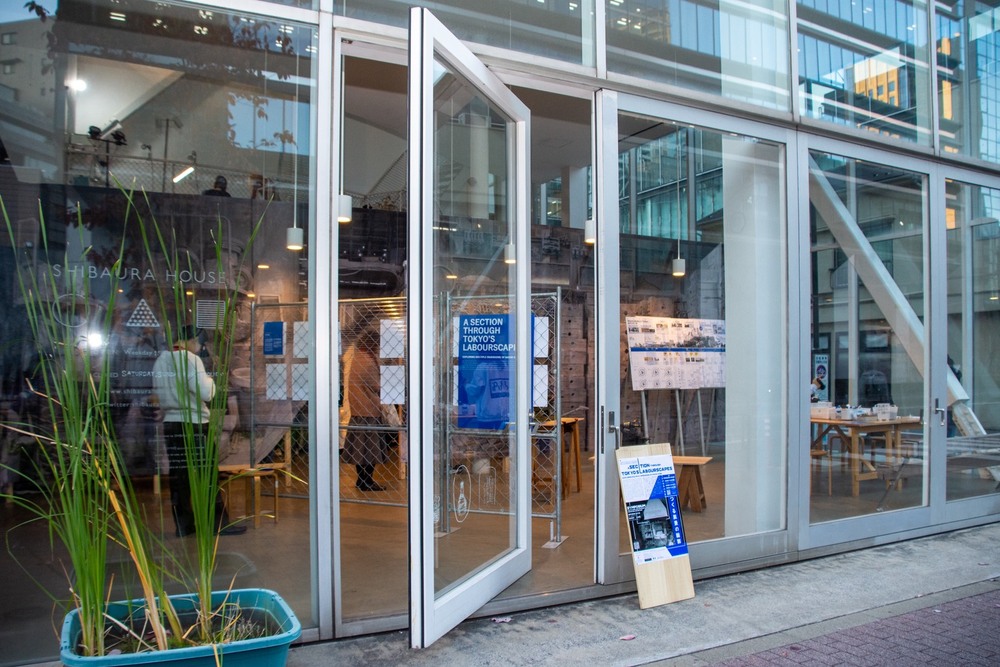
2025年11月28日から30日にかけて、「つくる風景の輪郭/ A Section through Tokyo’s Laborscapes -Exploring Multiple Dimentions of Machi-koba-」と題し、芝浦ハウスにて2024年からのSumida Machikoba Projectとしてのリサーチの成果を展示した。
本展示は、「町工場」という言葉の背後にある多面的な意味を探求することを目的としている。地域に根ざした製造業としての文字通りの意味から、地域社会とのつながり、職住一体の暮らし方、生きがいといった、より広い意義へと視野を広げ、その輪郭を浮かび上がらせようと試みる。会場となるSHIBAURA HOUSEの1階は、町工場のある都市の一角として位置づけられており、この場を介して、職・住・創造が交わる多層的な風景の新たな可能性を共に共有し、未来の都市の在り方を考えるきっかけとなることを期待している。
展示空間の構成から什器に至るまで自らデザインを行い、本研究室のリサーチ成果に加えて、共同で研究を行っていた同大学のDimmer先生および千葉大学の安森先生の研究室によるリサーチも併せて展示した。
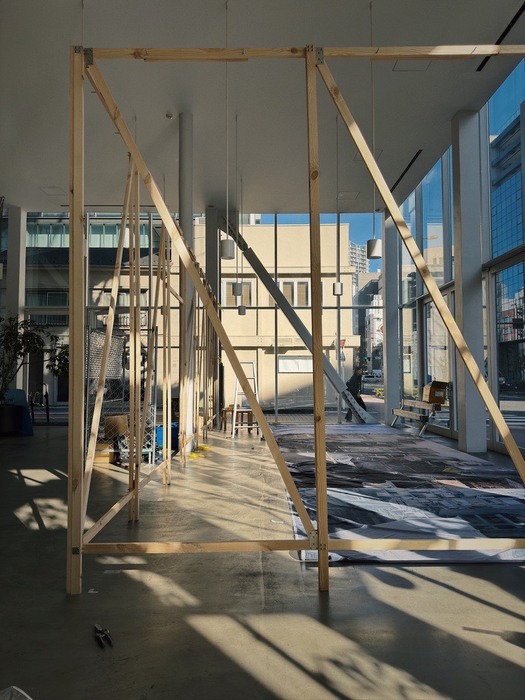
準備期間、中国人の留学生グループが展示フレームの制作を行った。町工場の様々な側面を来訪者に体験してもらうため、大きな木フレームがゾーニングの役割を果たしている。
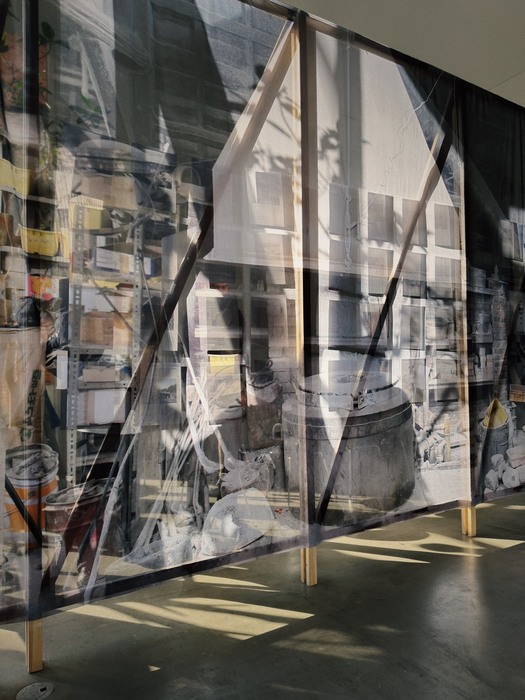
「Full-scale Machikoba」(写真左)
現場の組み立て(写真右)
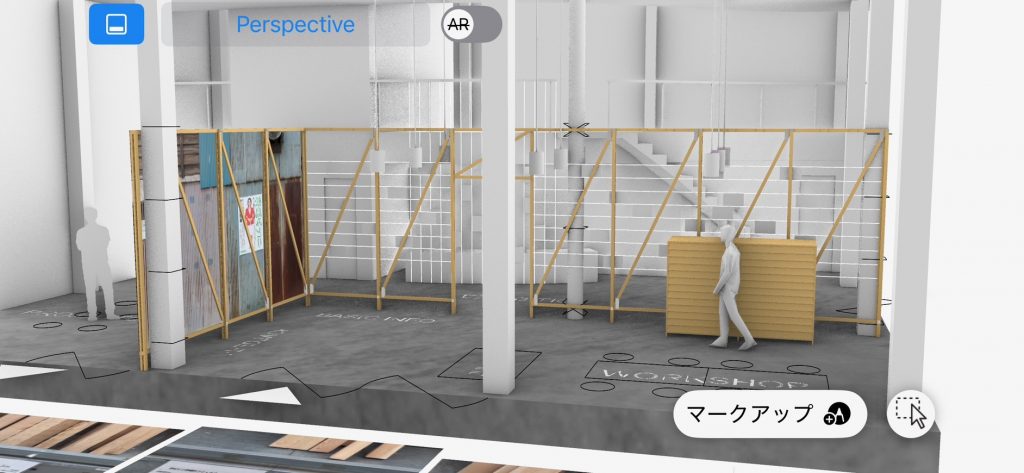
試作のモデリング(写真下)
「デザインを形にする」という役割を担当した。構造検討から、材料の選定と買い出し、組立まで一連のプロセスに携われて、得難い貴重な経験となった。
小さな建築の実践の様に、図面には描かれない多くの要因を考慮しなければならなかった。 芝浦ハウスの要求により、インスタレーションは迅速な組み立てと解体が求められた。そのため、モジュール化の手法を採用し、全体を9つの同一の小型木製フレームに分割した。 さらに、材料費や輸送コストを考慮し、サイズと安定性の間でバランスを取る必要があった。手作業の精度と効率を向上させるため、部材に番号を貼付し、いくつかのテンプレートも制作した。
高さ3m、長さ13mのインスタレーションが、会場に立ち上がった姿を目の当たりにしたとき、私たちは初めて「建築家としての達成感」を味わったような気がした。
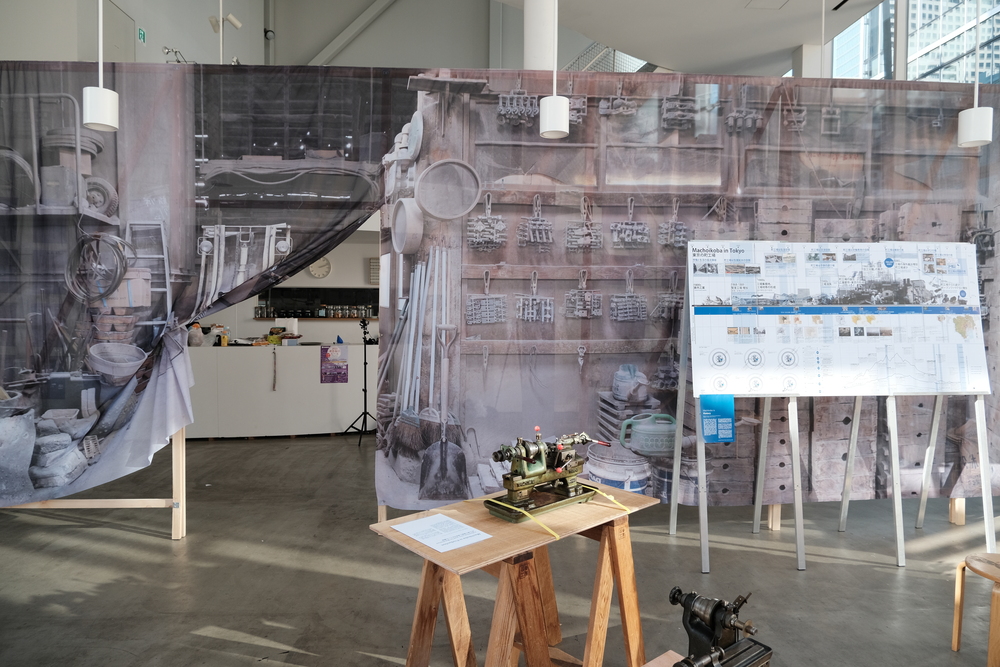
会期中、展示空間は5つに分けられ、様々なリサーチ結果が展示された。
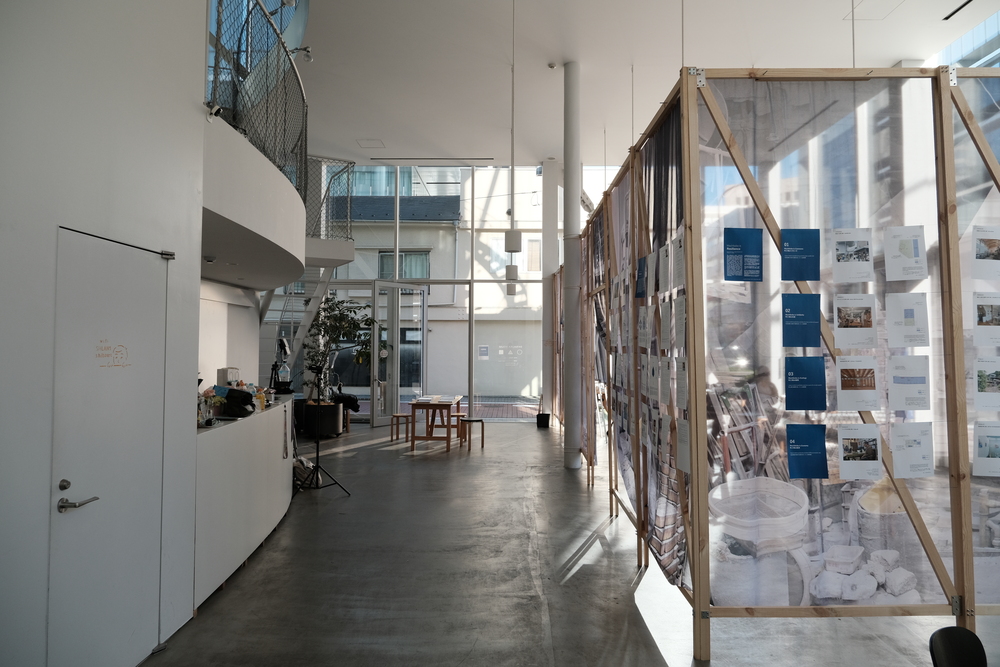
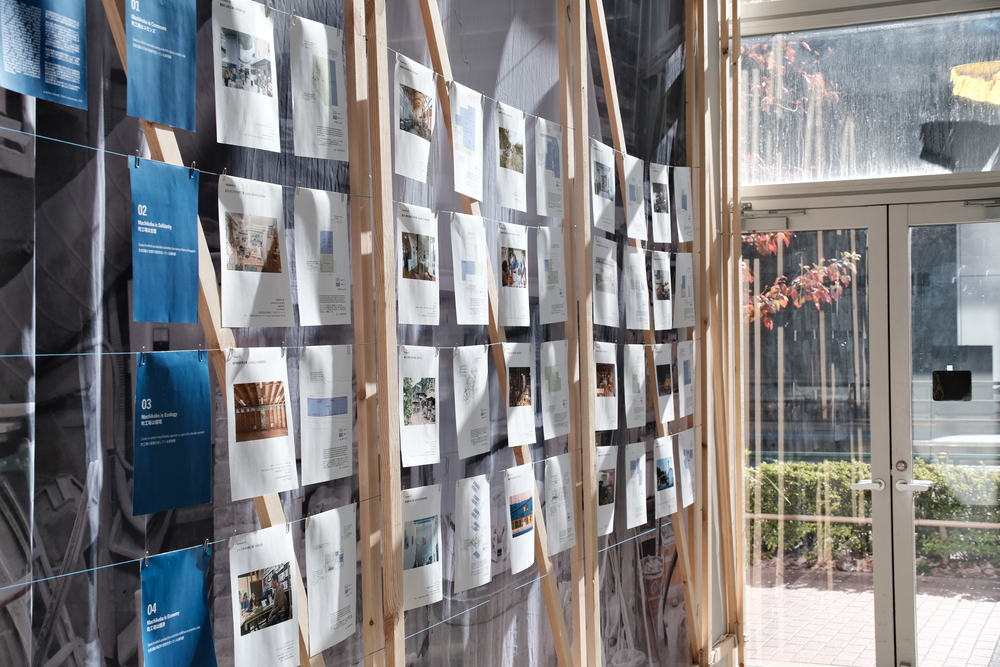
たちの町工場への提案などが木フレームに吊り下げられる形で展示された。最初に会場に入ると、町工場に対して来訪者が感じる印象を聞くフィードバックゾーン、これまでの社会における町工場の立ち位置や、件数の推移などの基本情報から始まり、新しいコンセプトや運営形態を持つ町工場の事例の紹介、現代における生産空間の多様化や、学生たちの町工場への提案などが木フレームに吊り下げられる形で展示された。
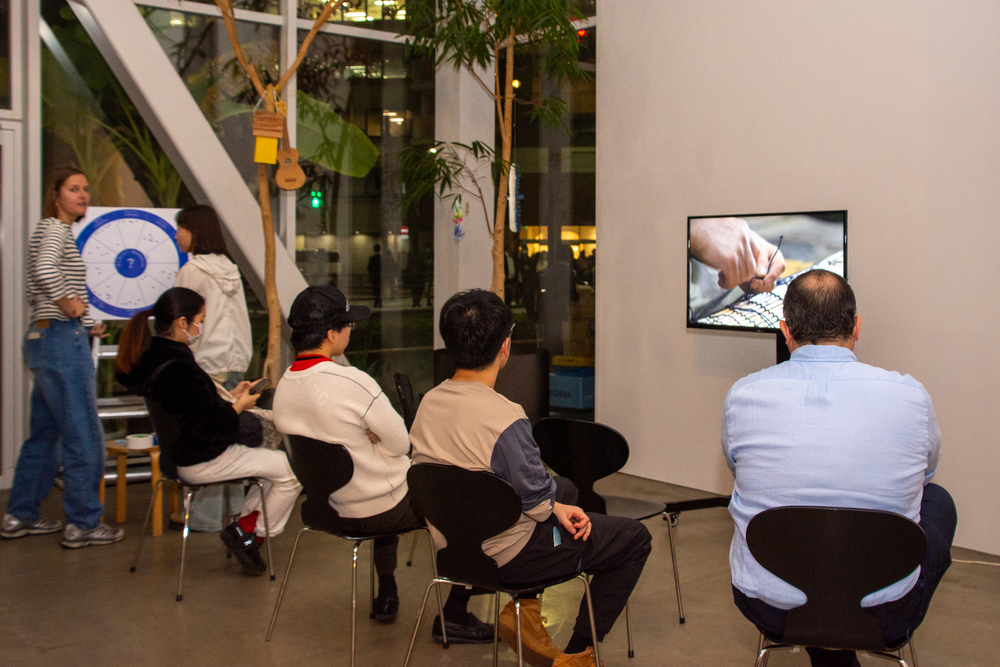
展示会場では、TOKYO町工場HUBに提供いただいた「ものづくり動画」シリーズを写した。提供いただいた「ものづくり動画」シリーズは、西村拓巳さんによる撮影。
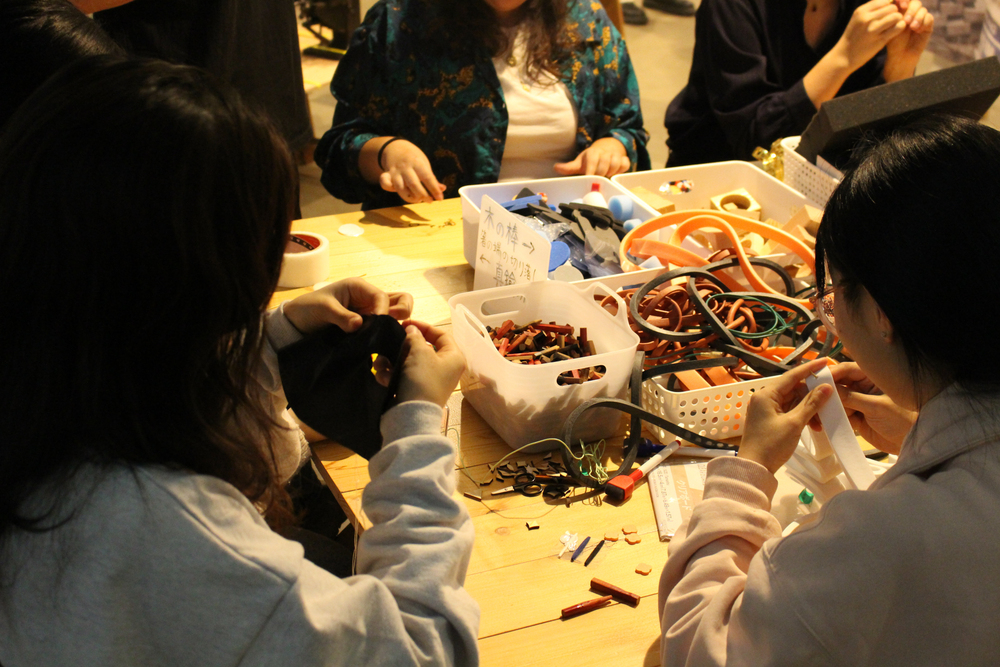
さらに会期中には、実際に町工場で出た、ゴムチューブやプラスチックなどの端材を取り寄せ、来訪者が組み合わせて自由にモノづくりを行うワークショップの空間も設置した。
会場では、実寸写真・実物機械・3Dデータという異なるスケールを通じて、町工場の「生産の現場」を可視化した。実際に千葉工業大学から町工場で使われていた機械をお借りし、展示した。
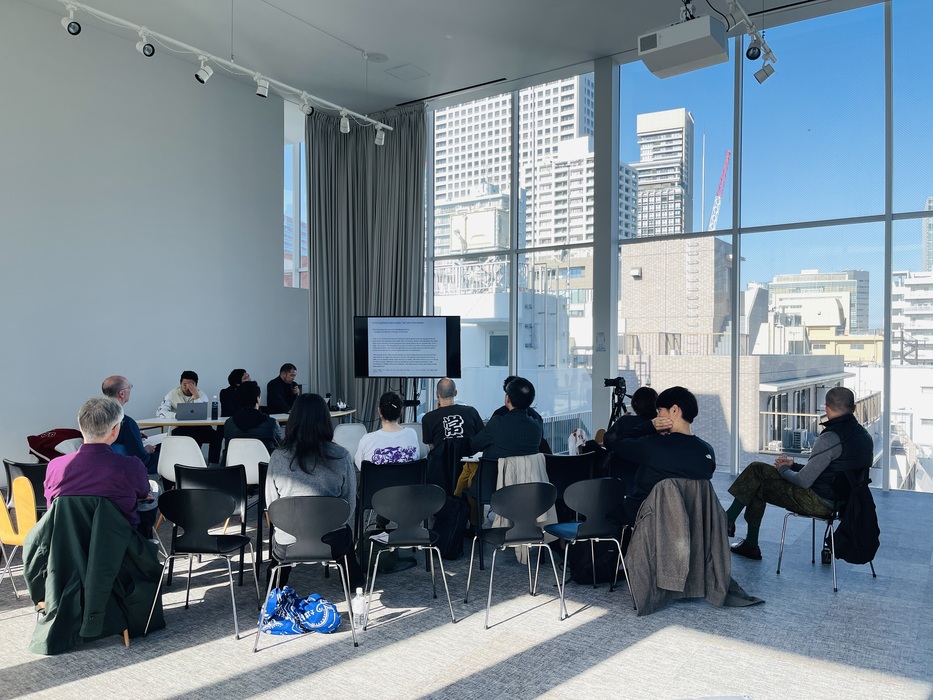
会期中には、国際シンポジウムを開催した。本研究室の小林恵吾先生、協働展示を行ってたChristian Dimmer先生、オタワ大学のVincent Mirza先生、上智大学のDavid Slater先生に加え、数多くの先生方をお招きし、レクチャーとディスカッションが行われた。
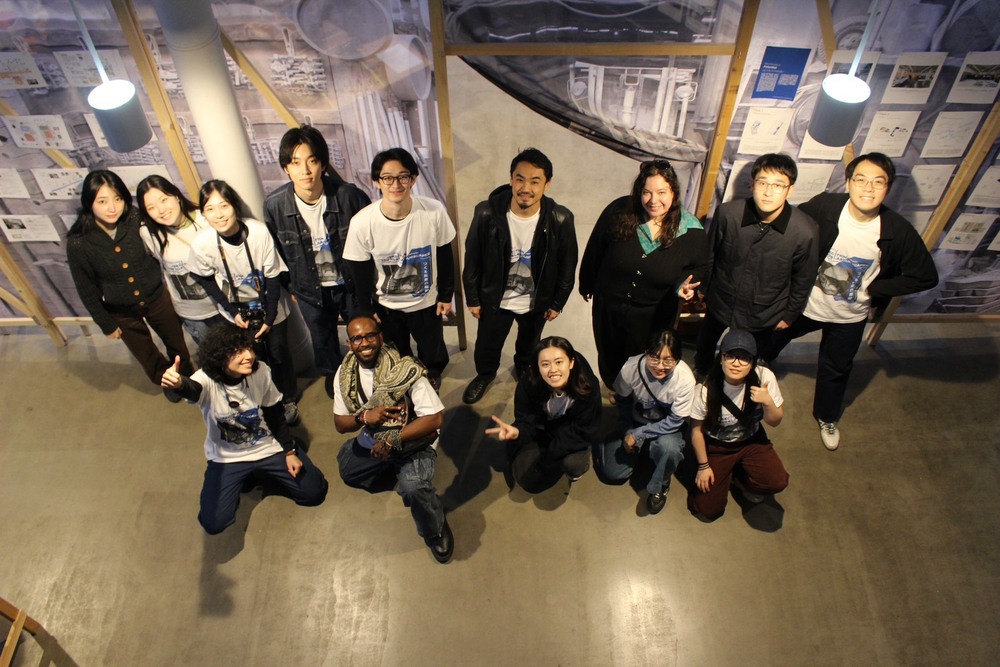
2024年からリサーチを続けてきて、一つの節目として展示を実現させることができた。
学生にとっては自分たちの研究結果が公共へ可視化される良い経験となった。
From November 28 to 30, 2025, an exhibition titled “ A Section through Tokyo’s Laborscapes – Exploring Multiple Dimensions of Machi-koba” was held at Shibaura House, showcasing the results of research conducted since 2024.
The exhibition seeks to explore the multifaceted definitions behind the term Machi-koba. From its literal sense of local manufacturing and craftsmanship, to its broader significance within neighborhoods, social networks, and modes of living and working. The ground floor of Shibaura House will be transformed into another Machi-koba space within the city, where visitors can encounter and engage with the tools, ideas, and inspirations that may serve as hints toward shaping new forms of urban living; integrating work, life, and creation within the context of the global Anthropocene.
We designed everything from the exhibition space layout to the fixtures ourselves. In addition to the research findings from our laboratory, we also exhibited research conducted by Professor Dimmer’s laboratory at the same university and Professor Yasumori’s laboratory at Chiba University, with whom we had been collaborating.
During the preparation period, a group of Chinese international students constructed the exhibition frames. To allow visitors to experience various aspects of the small-scale factory, large wooden frames serve to zone the space.
I was responsible for “bringing the design to life.” Being involved in the entire process—from structural analysis to material selection, procurement, and assembly—proved to be an invaluable and rare experience.
Much like the practice of small-scale architecture, I had to consider many factors that do not appear on drawings. At the request of Shibaura House, the installation required rapid assembly and disassembly. To achieve this, we adopted a modular approach, dividing the entire structure into nine identical small wooden frames. Furthermore, considering material and transportation costs, we had to strike a balance between size and stability. To improve the precision and efficiency of manual work, we labeled the components with numbers and created several templates.
When we saw the 3-meter-high, 13-meter-long installation rise up in the venue, we felt, for the first time, a sense of “achievement as architects.”
During the exhibition, the space was divided into five sections, each showcasing various research findings.
Upon entering the venue, visitors first encountered a feedback zone where they could share their impressions of small-scale factories. The exhibition began with basic information—such as the historical role of these factories in society and trends in their numbers—followed by case studies of factories with new concepts and operational models. Also displayed, suspended from wooden frames, were presentations on the diversification of contemporary production spaces and proposals for small-scale factories created by students.
The exhibition venue screened the “Manufacturing Video” series provided by TOKYO Machi-Kobo HUB. This series was filmed by Takumi Nishimura.
Additionally, during the exhibition period, a workshop space was set up where visitors could freely create objects by combining scrap materials—such as rubber tubing and plastic—actually sourced from local factories.
The venue visualized the “production site” of the small factories through different scales: life-size photographs, actual machinery, and 3D data. We borrowed and exhibited machinery actually used in small factories from Chiba Institute of Technology.
During the exhibition, we held an international symposium. In addition to Professor Keigo Kobayashi from our laboratory, Professor Christian Dimmer, with whom we collaborated on the exhibition, Professor Vincent Mirza from the University of Ottawa, and Professor David Slater from Sophia University, we invited numerous other scholars to participate in lectures and discussions.
Having conducted research since 2024, we were able to realize this exhibition as a milestone in our work. For the students, it was a valuable experience to see their research findings presented to the public.